We're happy to announce that we are now accepting Affiliates in the Federated EGA Network!
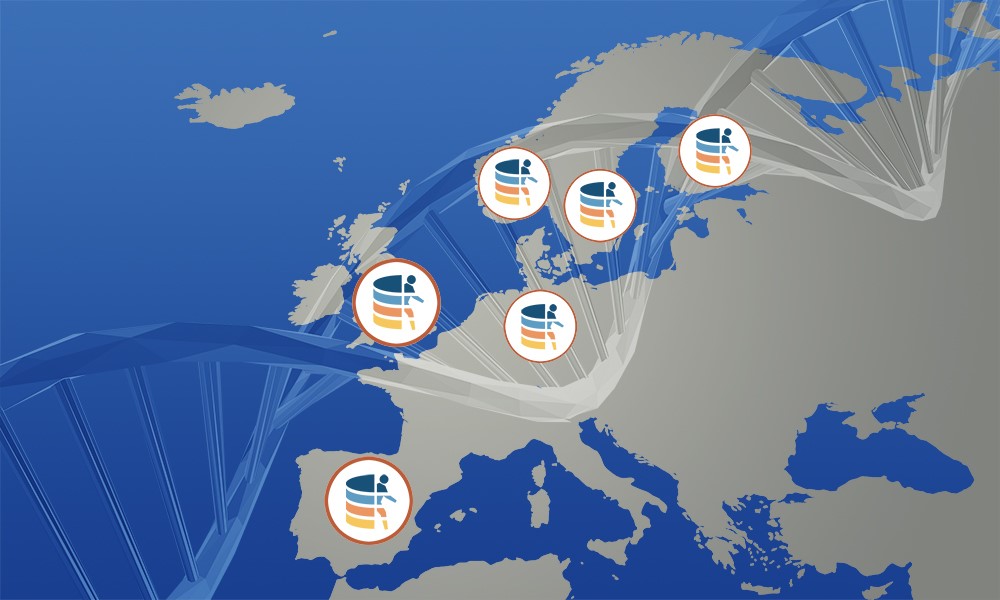
Federated EGA is a global network of repositories enabling secure discovery and access to sensitive human data. Currently, Federated EGA consists of Central EGA (CEGA), which serves the global community, and nine national Nodes that serve respective jurisdictions. Did you know that the Federated EGA (FEGA) has always envisioned a third tier within the network?
This brings us to FEGA Affiliates, recently defined in the newly approved "Federated EGA Structure and Organisation" document. This new tier broadens the range of institutions or organisations that can become part of FEGA. Thus begins a new era for the network.
What is a FEGA Affiliate?
A FEGA Affiliate archives and serves controlled-access data within its own governance scope, while still participating in federated discovery through the EGA catalogue. Affiliates can be individual organisations or institutions, healthcare genomics initiatives, consortia of institutions, as well as project-specific consortia (national or international).
In practical terms, a FEGA Affiliate:
- Hosts and safeguards the data it archives.
- Submits non-personal metadata to CEGA so studies are discoverable and can receive EGA accessions.
- Manages permissions and data access workflows for its datasets.
- Provides data access and/or distribution, along with support, to authorised users.
Key takeaways about FEGA Affiliates
- FEGA is now organised into three tiers: CEGA, FEGA Nodes, and FEGA Affiliates.
- Affiliates archive data from their own organisation and/or selected partner institutions (for example, an international consortium).
- Affiliates make studies discoverable through the EGA catalogue by submitting non-personal metadata for accessioning.
- Access decisions and conditions are managed locally by the Affiliate (e.g. distribution or access in a trusted research environment).
Are you considering whether your institution or project might be a good fit as a FEGA Affiliate? Would you like to learn more about this tier? We have published a blog post that addresses potential common questions, providing answers on this topic. You can read it here.